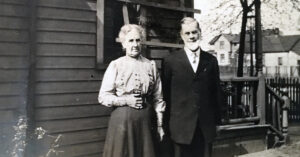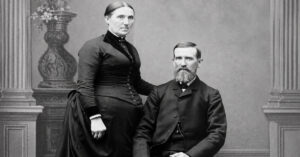
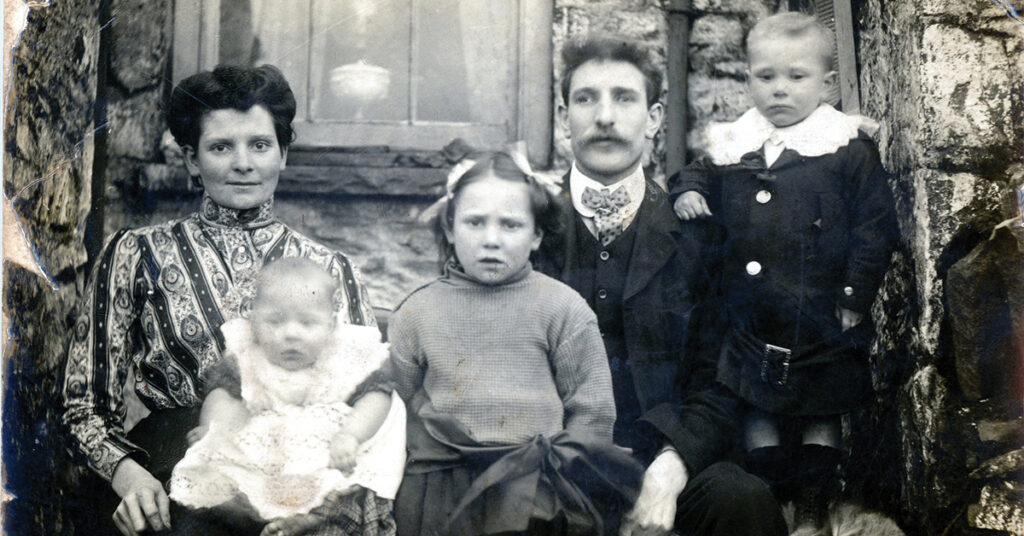
Researching Tylorstown Colliery is a deeply personal project. My great-grandfather, Charles Richards, worked there as a hewer for almost thirty years, leaving the mines in 1929. A generation earlier, my great-great-grandfather, David Harries, was killed in the 1896 disaster, aged 49. What follows is the story of the colliery to which they devoted their working lives.
By the mid-nineteenth century, the South Wales Coalfield’s potential wealth was still little recognised. But for those with the knowledge and resources to exploit it, the region offered immense opportunity. In 1872, London geologist Alfred Tylor came to the area and purchased the mineral rights to Pendyrus Farm. He soon opened Pendyrys Colliery there. The colliery’s workers and their families settled on the former farmland nearby. The area kept its Welsh name, Pendyrus, but in English it became known as Tylor’s Town.
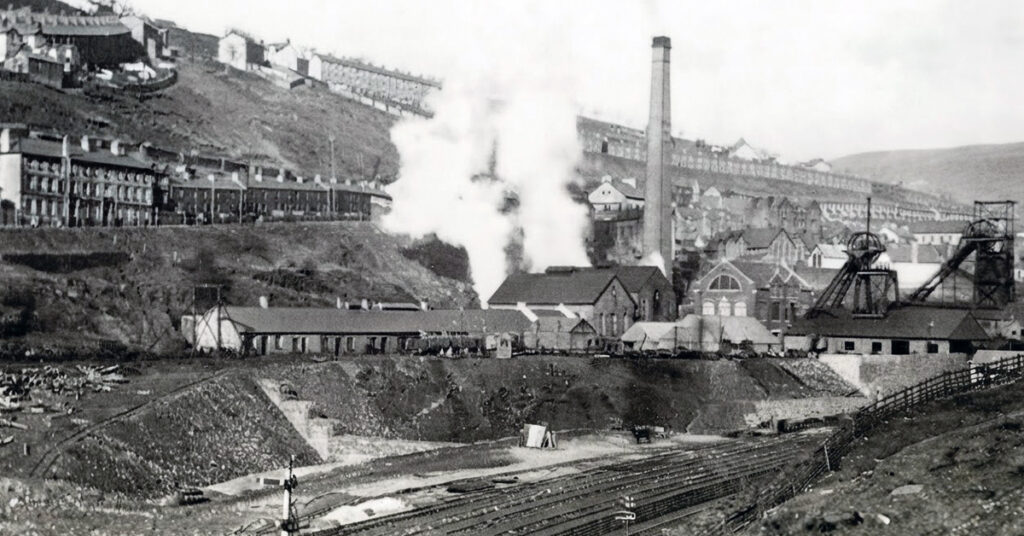
Sinking began at the Pendyrus Nos. 6 and 7 pits in 1872–73. Work was beset by difficulties, and it was not until 1876 that the steam-coal seams were reached, at a depth of 333 yards. The first shipment of steam coal was sent to Cardiff via the Taff Vale Railway in 1877. Thereafter, the colliery – then known as Pendyrus – expanded rapidly: annual output rose from 3,252 tons in 1877 to 241,061 tons in 1893.
As in many Rhondda villages, the sudden influx of workers brought overcrowding and poor housing. Pendyrus Colliery’s earliest workers were accommodated in crudely built wooden huts. At first, community facilities were few. E. D. Lewis evokes the conditions in The Rhondda Valleys: “…in many of these hastily erected townships of the Rhondda in the early days of the ‘coal rush’, life bore a strong resemblance to the frontier townships of the United States.”
My family made their home on Penrhys Road, a steep street leading down to the entrance of No. 8 pit.
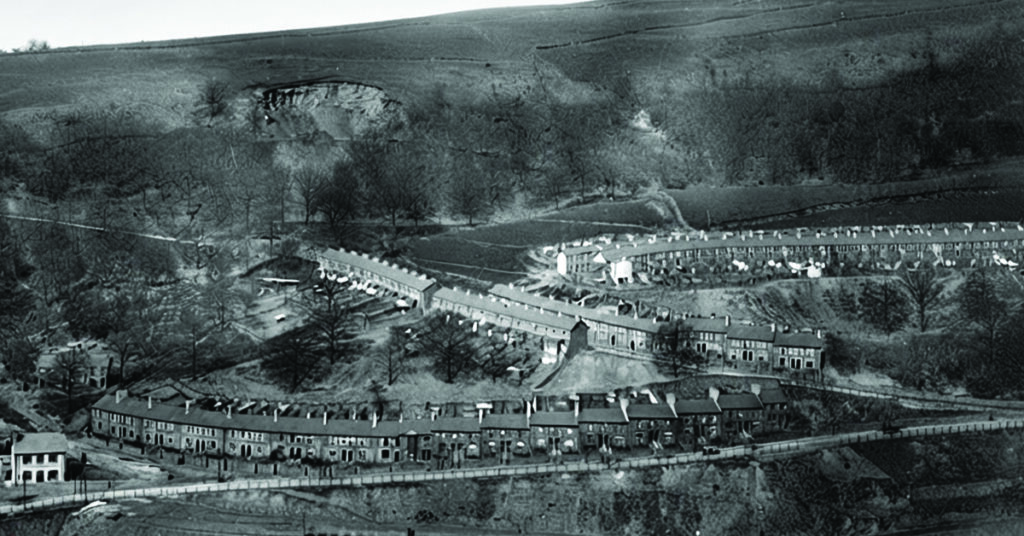
An earlier shaft nearby (Cynllwyn-du or Pwll Waynes) was sunk in 1858 by Thomas Wayne and later incorporated into the Tylorstown operations as No. 8 pit. In January 1894, David Davis and Sons Ltd (the Ferndale colliery company) acquired the Tylorstown pits, deepened No. 8 to over 600 yards, and linked the workings into a single integrated unit with Ferndale. Later, the complex also came under the Powell Duffryn Steam Coal Company.
On January 27, 1896, at around 5:30 am, a devastating methane and coal-dust explosion ripped through No. 8 Pit. Although the explosion occurred in No. 8 Pit, the worst consequences were experienced at No. 7 Pit. The force of the explosion brought down heavy falls of roof and sides, cutting off all expectation of life and making recovery of the casualties a very time-consuming operation, killing 57 miners. An official investigation found the blast was triggered by a negligent, uninspected explosive shot fired in accumulated gas. Physiologist Professor John Scott Haldane investigated the disaster and proved that most victims died from carbon monoxide poisoning. His findings led directly to the introduction of canaries in British coal mines as early-warning gas detectors. At their height there were at least 3,000 canaries in coal mines across the UK, and despite weighing just 15 to 20g, worldwide it is believed that they could have saved the lives of more than a million men.
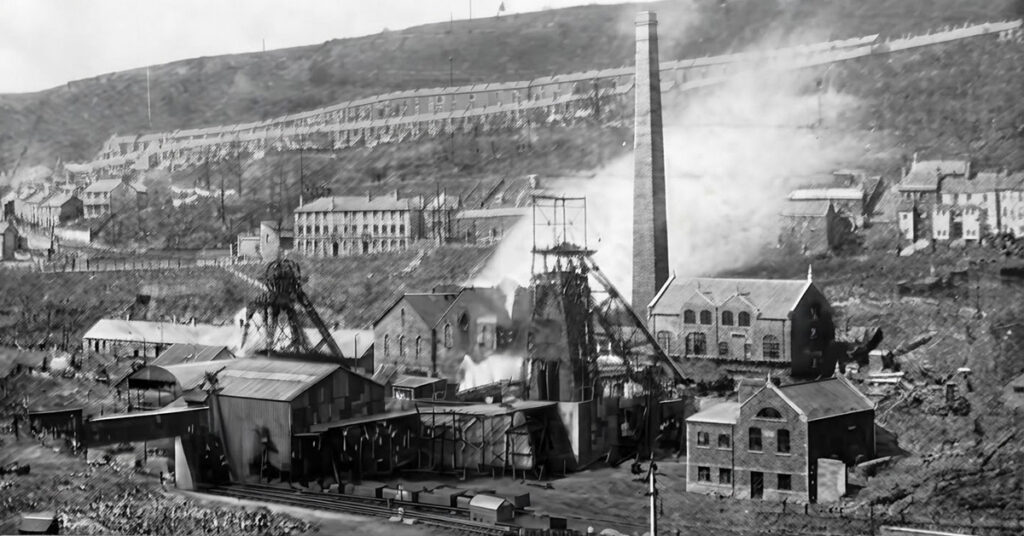
By the early twentieth century, additional shafts (such as No. 9, sunk around 1907) and electrification (in 1908) saw the workforce swell to over 1,700–3,000 men and boys across the pits. Nos. 6, 7 and 8 ceased production in the 1930s (around 1935–1936) due to changing economic conditions and geological challenges. No. 9 remained active longer but finally closed in 1960, marking the end of active coal extraction in Tylorstown.
This set off a long period of economic decline which worsened following the 1984–85 national miners’ strike, which resulted in pits in nearby locations such as Maerdy closing. The local passenger train line closed in 1964 following the Beeching Axe, which also limited the prospects of easy commuting to Cardiff.
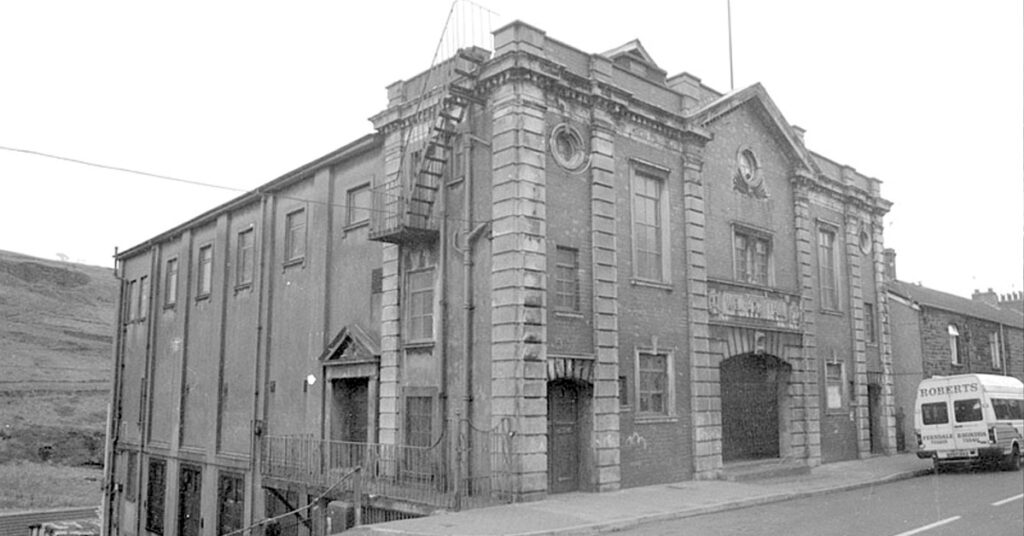
Little remains of mining in Tylorstown, but you can still visit the Tylorstown Welfare Hall and Institute, a historic Grade II listed building located on East Road. Built in 1933 as a “source of enlightenment” for colliery workers, it stands today as the last remaining miners’ welfare hall in the entire Rhondda Fach. The building was heavily financed by the miners themselves, who directly contributed deductions from their weekly pay packets. This was supplemented by grants from the national Miners’ Welfare Fund, colliery companies and local public donations.
You can also visit a small memorial park to remember the 57 who perished in the disaster of 1896. As for the mine entrance where my great-grandfather went to work, it is now marked by a Lidl supermarket.
“In our little valley, they closed the colliery down, and the pithead baths is a supermarket now” — Max Boyce, Duw It’s Hard