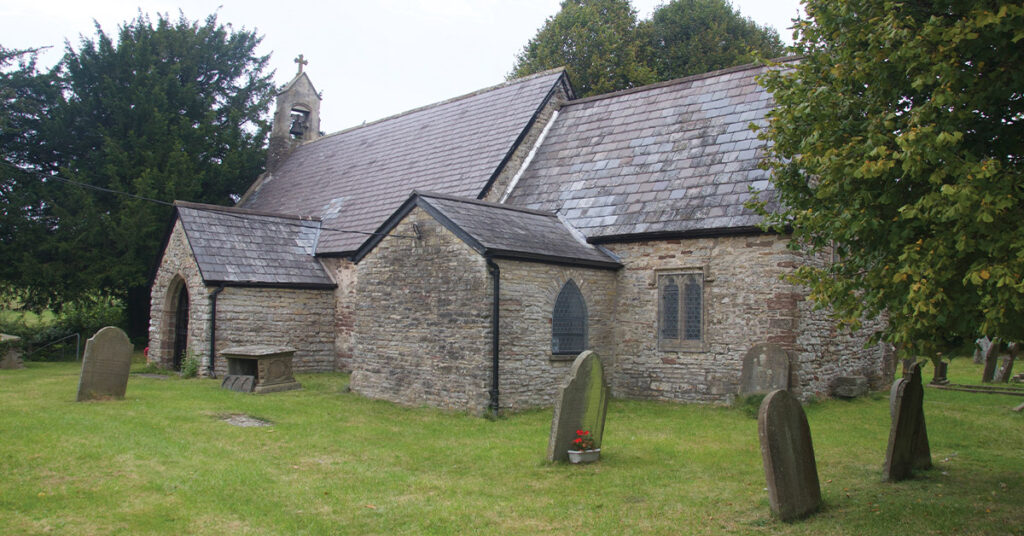
For many family historians, research begins at the kitchen table – scrolling through census returns, birth indexes, and parish registers. Yet some of the most valuable discoveries are not found online at all, but in churchyards, cemeteries, and quiet burial grounds. Graveyard research remains one of the most powerful – and often overlooked – tools in genealogy.
A headstone is more than a marker of death; it is often a summary of a life. While civil registration records may give you dates and basic details, a gravestone can provide additional information such as middle names, military service, occupations, places of origin, or even personal sentiments chosen by the family. An inscription might reveal that someone was “beloved wife of…” or “native of County Cork,” offering clues that do not appear on official certificates.
In some cases, the headstone predates civil registration altogether. Before the introduction of civil birth and death records in England and Wales in 1837, parish burial registers were the primary official record — and even these can be brief. A surviving stone may preserve a fuller name or a precise date that the register does not.
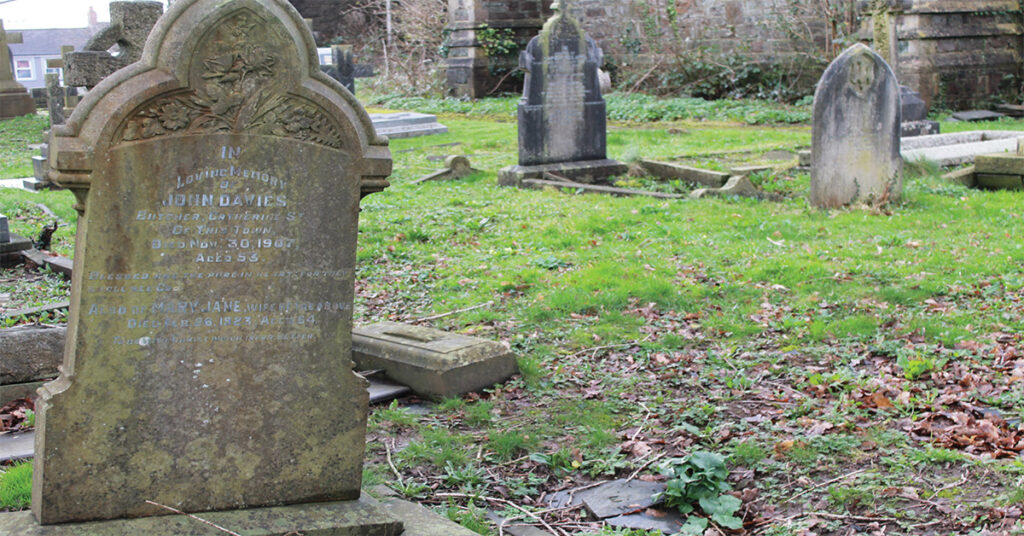
Graveyards are particularly useful for confirming relationships. Family plots frequently contain multiple generations buried together. By examining neighbouring stones and shared surnames, you may discover parents, children, siblings, or spouses you had not previously identified.
It is not uncommon to solve a long-standing research puzzle simply by standing in the right spot and noticing that three individuals with the same surname are buried side by side. This physical clustering can help confirm whether you are tracing the correct family line — particularly in areas where surnames are common.
Cemeteries can also help bridge gaps created by missing or damaged records. Parish registers may have been lost, pages torn out, or entries faded. Gravestones sometimes survive when paper records do not. Even where stones are weathered, transcriptions made by local family history societies decades ago may still exist.
Websites such as Find a Grave and BillionGraves have made many memorials accessible online, but nothing quite replaces visiting the site yourself. Photographs on these platforms are incredibly useful, yet they may not capture nearby graves, additional inscriptions on the reverse of a stone, or the broader layout of the plot.
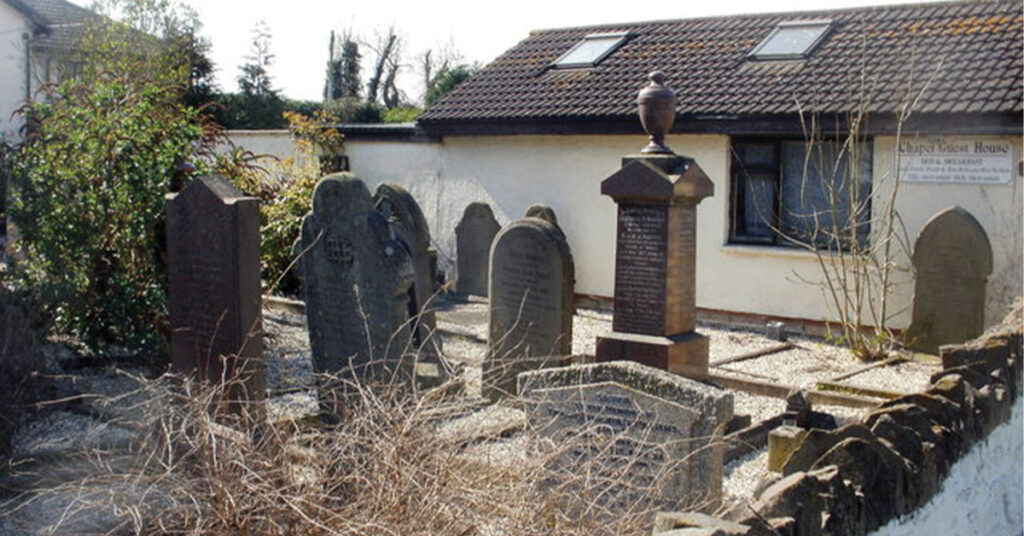
Graveyards also offer insight into the social history of your ancestors. The size, material, and design of a headstone can suggest economic status. Elaborate Victorian monuments may indicate prosperity, while simple unmarked plots may reflect poverty or hardship. Symbolism – such as lambs for children, anchors for hope, or clasped hands for marriage – can reflect religious beliefs and cultural traditions.
Military graves, particularly those maintained by the Commonwealth War Graves Commission, can provide regiment details and confirm wartime service. Seeing these graves in person often brings a deeper understanding of an ancestor’s experience than a service record alone.
Beyond the practical benefits, graveyard research offers something less tangible but equally important: connection. Standing at an ancestor’s grave can transform names and dates into real people. It can help you visualise the community they lived in, the landscape they knew, and the family who mourned them.
Genealogy is not only about collecting data – it is about understanding lives. Visiting a burial site allows you to pause, reflect, and appreciate the human story behind the documents.
Before visiting, check burial registers, cemetery maps, or online databases to identify plot locations. Take photographs from several angles, record full inscriptions carefully, and note surrounding graves. Be mindful of safety, respect the site, and avoid damaging fragile stones. If a stone is difficult to read, natural light at an angle often works better than artificial methods.
It is also worth revisiting sites periodically. As vegetation changes or cleaning work is undertaken, inscriptions that were once hidden may become visible. Gravestones are vulnerable to weathering, erosion, and vandalism. By recording inscriptions and sharing accurate transcriptions, family historians contribute to preserving information that may one day be lost. Your photograph today could become tomorrow’s only surviving record.
In an age of digital research, it is easy to forget the value of physical evidence. Yet graveyard research grounds genealogy in the real world. It confirms relationships, fills gaps, adds context, and strengthens our emotional connection to the past. For family historians seeking depth as well as accuracy, the local cemetery may be just as important as any online database.
If you would like us to visit a graveyard on your behalf visit our Field Research page.