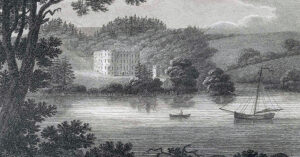
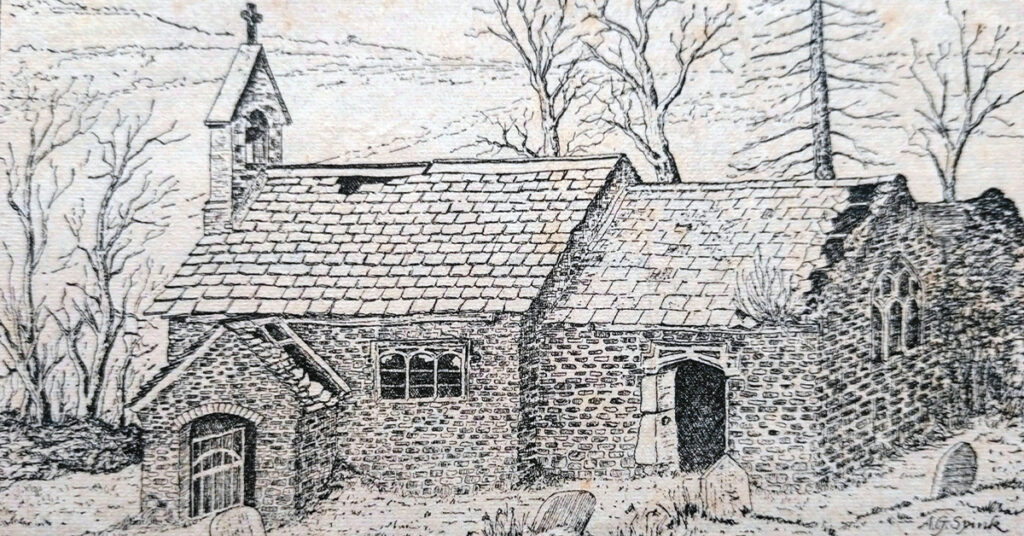
We first began researching All Saints Church in Kemeys Inferior as part of our work for the Skinner family. What started as a focused piece of genealogical research soon grew into something far more absorbing. Before long, we found ourselves drawn into the story of a largely forgotten church – once standing on the fragile, crumbling banks of the River Usk in Kemeys Inferior, and now reduced to a scheduled ancient monument with only fragments of its walls remaining.
At first, the trail was faint. Online sources offered only brief architectural descriptions and passing references to the church’s decline. Mentions in nineteenth-century directories described a modest rural church in the Early English style, seating around 80 parishioners, while later records hinted at earlier medieval origins, including possible Norman features. But beyond these fragments, much of the story remained hidden.
It was only through visiting local archives that the fuller picture began to emerge. At the Gwent Archives, we uncovered records relating to the closure of All Saints church, along with the original burial register dating back to the early eighteenth century. These documents revealed generations of local families – among them the Skinners – whose lives were closely tied to the church.
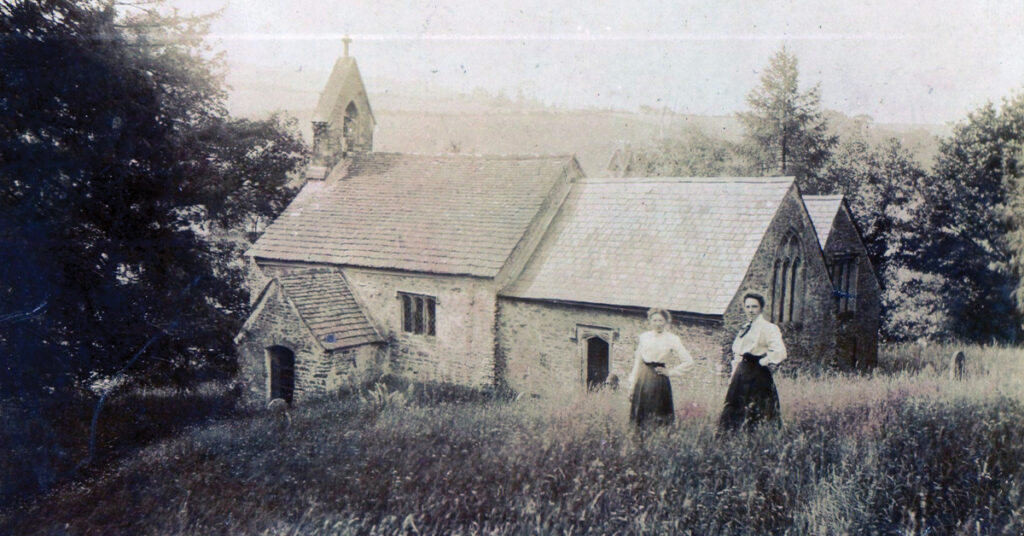
Further discoveries at St Andrew’s Church in Tredunnock proved especially significant. There, we found detailed plans of the original burial ground, correspondence concerning the exhumation and reinterment of graves in 1970, and two rare images of All Saints Church before its final decline. These records brought to light the deeply human story behind the church’s closure, including the careful relocation of remains and the creation of a dedicated “Kemeys Plot” at St Andrew’s, where former parishioners were laid to rest together once more.
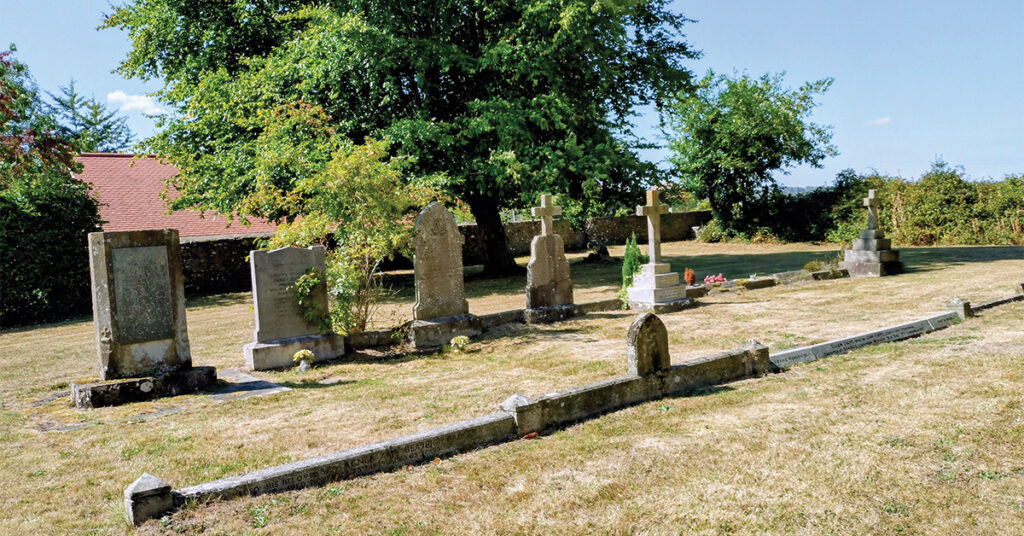
One of the most poignant aspects of this research was uncovering the impact of erosion along the River Usk. Even after the church’s closure, the site has continued to deteriorate, with recent reports suggesting that some graves are now at risk as the river encroaches ever closer. It serves as a powerful reminder of the vulnerability of historic sites and the importance of preserving their stories, even when the physical structures are fading.
Bringing together archival material, historical records, and family history, we were able to create a detailed account of All Saints Church for the Skinner family website. What began as a genealogical enquiry became a much broader story – one that reflects not only the history of a single family, but also the life, loss, and legacy of a rural Welsh church.
If you would like to explore the full history, including images, documents, and the stories we uncovered, you can read the complete account here:
https://skinnerfamilyhistory.com/all-saints-church-kemeys-inferior/
We hope this research helps to bring renewed attention to this remarkable and fragile site – and to the generations of people connected to it.