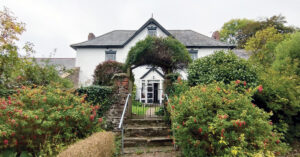
In the late 1950s and early 1960s, long before instant messaging, a Cardiff teenager stayed connected to her friends through postcards. Mary Bois lived at 49 Heol Penlan in Whitchurch, Cardiff, with her parents and brothers, and from this address she remained the fixed point in a network of friendships that stretched across Britain and beyond.
Sent from seaside towns, market villages, Scottish harbours and even across the Channel, these postcards to Cardiff carried more than holiday snapshots. They captured a world of slow travel, close friendships and growing independence. Mary kept them throughout her life, and now her eldest son preserves them. Today, they offer a window into everyday life at a moment when Britain – and the lives of its young people – were beginning to change.
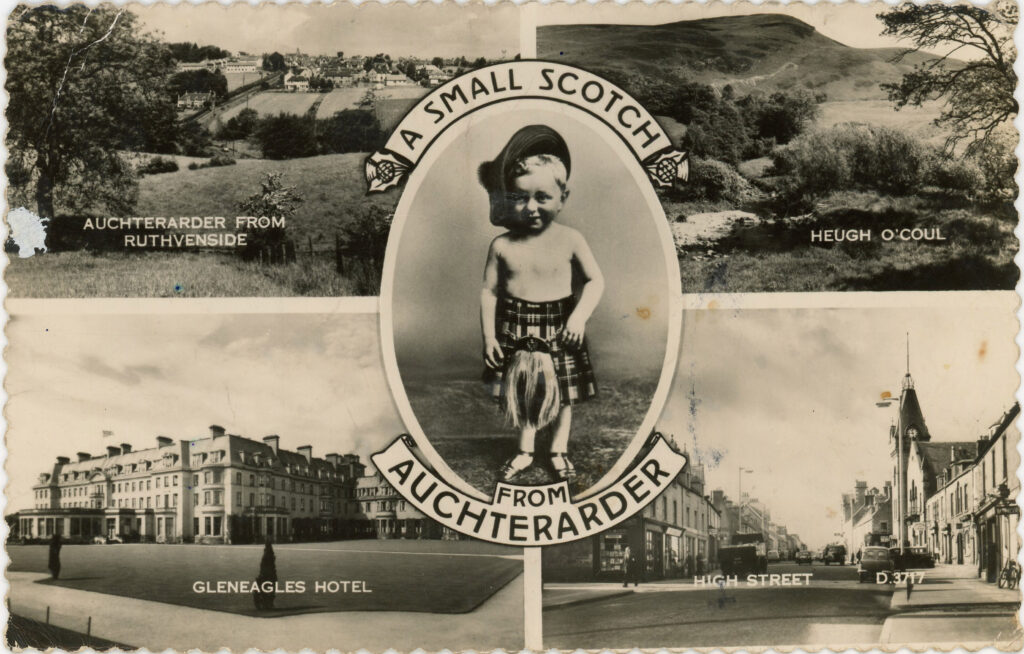
One of the most striking things about the postcards is just how often Mary was written to, and from how many places. From Blackpool to Banbury, Lyme Regis to the Scottish Highlands, her friends were constantly on the move. These were not luxury trips, but practical, carefully planned holidays – long train journeys, shared accommodation, and tightly managed budgets. One friend, writing after arriving in Blackpool, notes: “Arriving… 2:45 AM Sunday… total time taken 5¾ hrs.” Travel was slower and often tiring, but it was also part of the adventure. Despite the distances, there was an expectation of staying in touch. Postcards were not occasional souvenirs – they were part of an ongoing conversation.
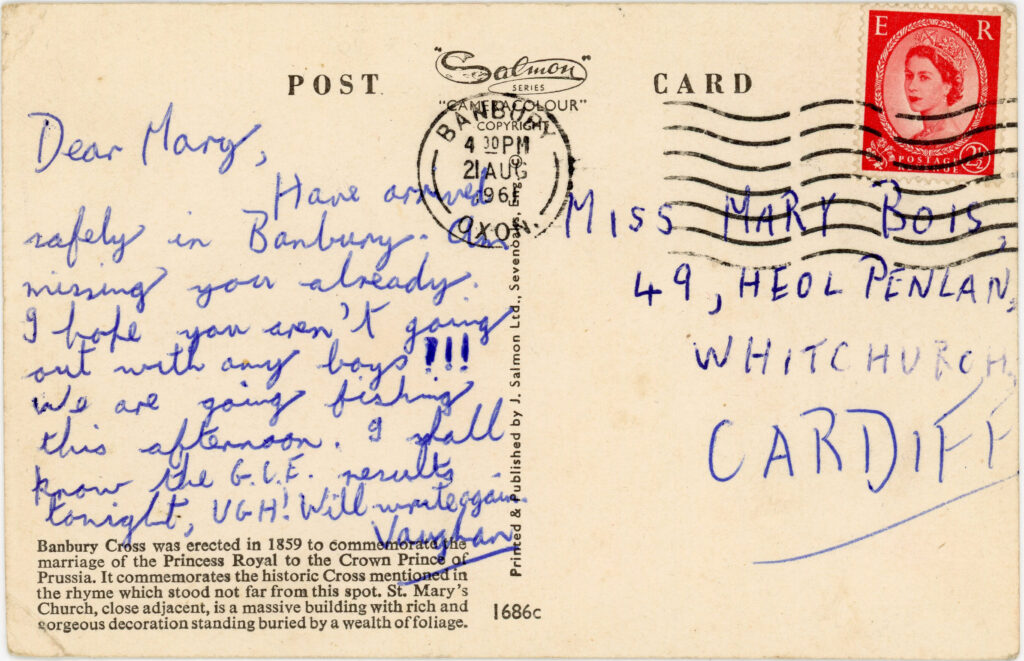
If one phrase echoes across the cards, it is “missing you.” From Banbury comes the message: “Have arrived safely… missing you already.” Another writes, “Looking forward to being with you again.” These were not formal letters, but quick, affectionate check-ins – something closer to today’s text messages. There is humour too, and teasing: “I hope you aren’t going out with any boys!!!” and “Be good! Like me!” Through these lines, personalities begin to emerge – playful, warm, and familiar. These were close friendships, maintained with care and regular contact.
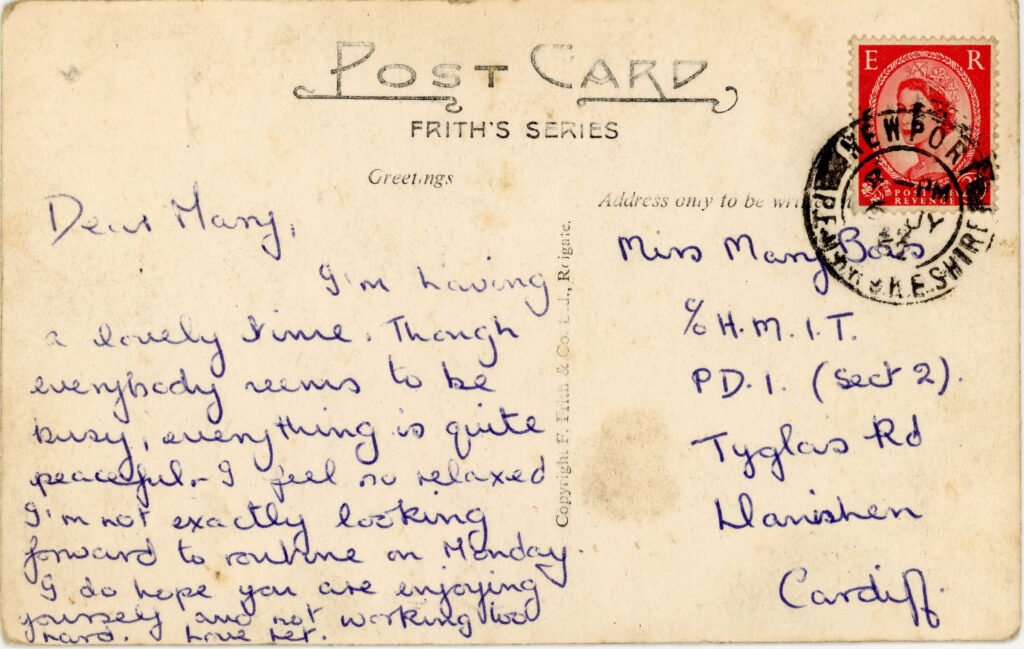
Several postcards capture something very simple but revealing: the relief of being on holiday. From Lyme Regis comes the cheerful declaration: “No food to cook, no washing up, no chores to do! Enjoying myself? I’ll say I am.” It is a small comment, but it speaks volumes about everyday life at the time, particularly for young women. Holidays were not just about travel; they were about temporary freedom from routine and responsibility. Even short breaks mattered. One card reflects, “Having a wonderful time… everything is quite peaceful… not exactly looking forward to routine on Monday.” That quiet tension between escape and return runs through many of the messages.
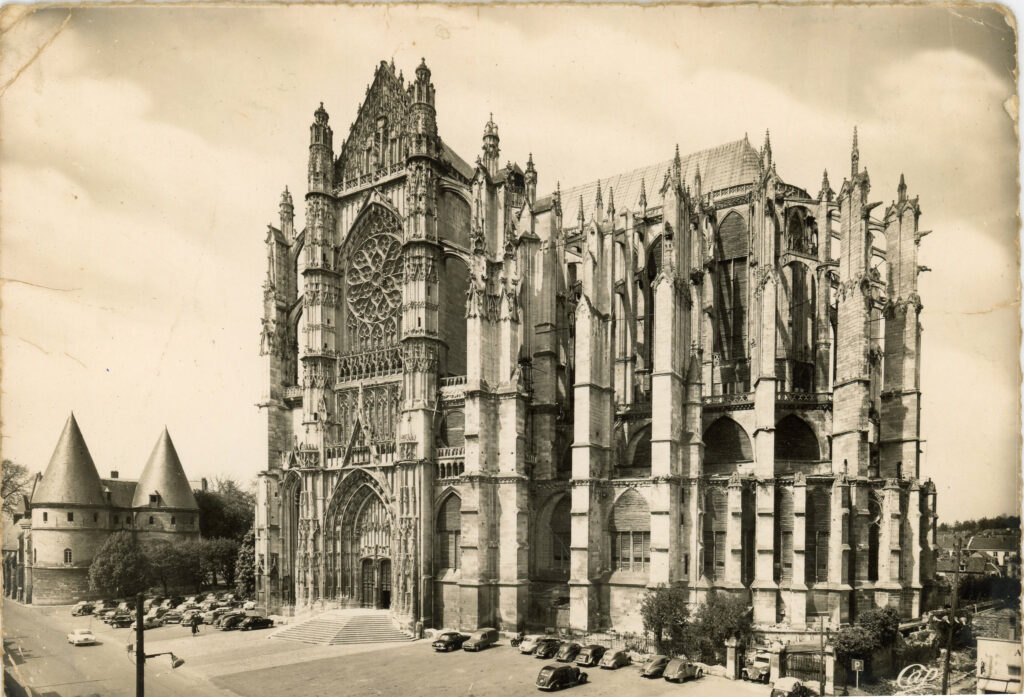
Among the most striking cards is one sent from France, posted via Calais and Beauvais, which hints at a wider world opening up. “In every hostel we have been in, there have been at least six British people,” the writer notes, “some of them have been hitch-hiking around the continent since April.” This is early backpacking culture, long before cheap flights or gap years became commonplace. Yet the adventure is grounded in everyday concerns: “Hope to be home in time for the dance if I have any money left.” Travel here is exciting, but still shaped by cost, time, and the pull of home.
Other cards trace journeys through Scotland, including Ullapool and Ayrshire. One sender writes, “The weather is still holding out… today we passed Balmoral Castle,” while another mentions visiting Burns’ cottage. These trips feel unhurried, rooted in landscape and heritage, offering a slower, more immersive experience of place than modern tourism often allows.
The postcards themselves are as evocative as the messages they carry. The familiar red 2½d stamps bearing Queen Elizabeth II, the names of well-known publishers such as Valentine’s, John Hinde and J. Arthur Dixon, and the glossy “natural colour” or “real photo” finishes all reflect a thriving postcard industry. Even the layout tells a story, with its strict division between message and address, forcing writers to be concise. Every word had to count.
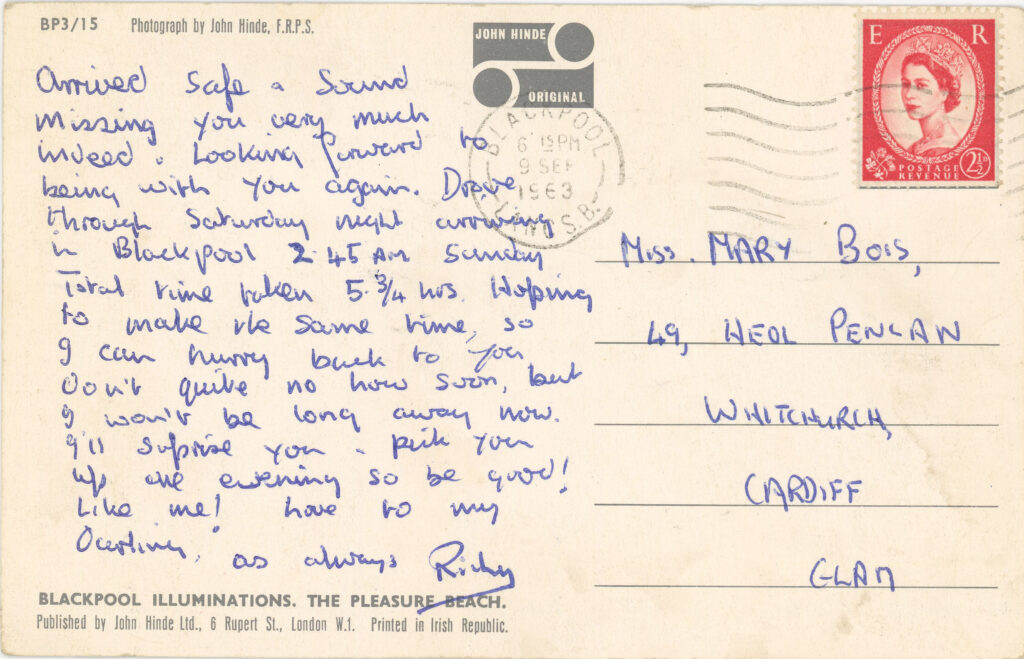
Certain names appear again and again – Tim, Jim, Ricky, Jennifer, Tony – suggesting a close-knit social circle, perhaps rooted in school or local life in Whitchurch. We do not know exactly who they were, but patterns emerge. Some write more often than others, some messages are more affectionate, and some hint at shared plans and routines. One promises, “I’ll surprise you – pick you up one evening.” There is a story here, just beneath the surface: friendships, possibly romances, and the rhythms of everyday life, captured only in fragments.
What these postcards reveal, above all, is a different pace of living. Travel took time. Communication required effort. Friendships were maintained deliberately. And yet, perhaps because of this, the connections feel strong, immediate and real.
Each postcard is brief, but together they form something much larger: a portrait of youth, movement and connection in a changing world. Mary Bois kept them, and in doing so she preserved not just memories, but moments of ordinary life that might otherwise have been lost.