Family history research does not always mean tracing an entire family tree. We are often asked to focus on one individual, piecing together the places, occupations and experiences that shaped their life. This type of research can uncover far more than names and dates. Census returns, employment records, newspapers, electoral registers and other historical sources can reveal a detailed and sometimes remarkable personal story.
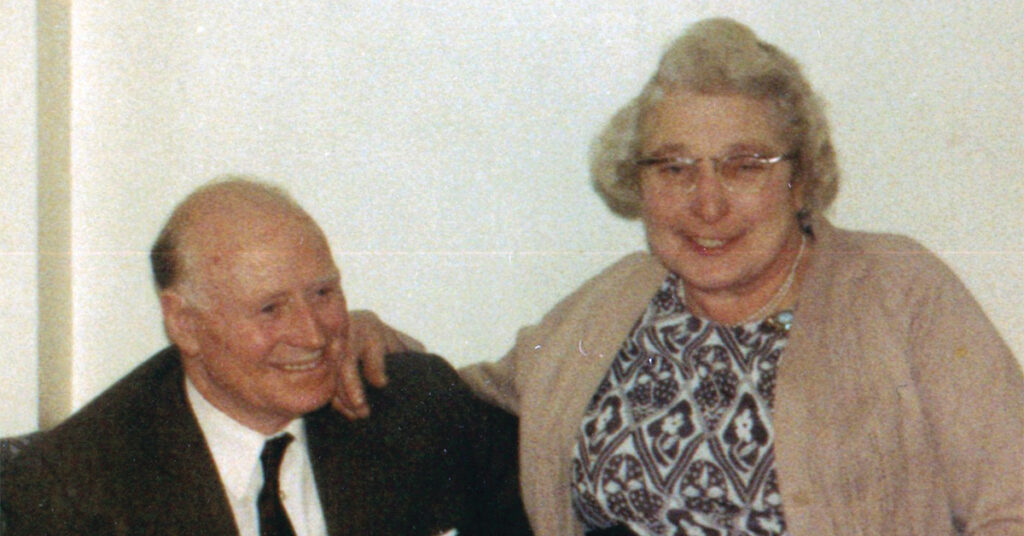
One recent case concerned Billy Prosser of Cardiff. Our client knew that his uncle Billy had lived in Cardiff with his wife, Betty, and had once run a newsagent’s and worked as a driving instructor. He wanted to discover what else could be learned about him. What emerged was the story of a man whose working life took him from Roath Park in Cardiff during the 1920s to the ornamental gardens of Insole Court, and eventually to the war cemeteries of post-war Italy.
Our first discovery was that Billy had not been born Billy Prosser at all. His birth name was Joseph Owen Prosser, and he was born on 7 September 1905 in Splott, Cardiff. His parents and older siblings had previously lived in Islington, London, before moving to Cardiff in search of employment at the docks. His father originally came from Somerset, while his mother was from Merionethshire in North Wales.
The family’s first years in Cardiff were difficult. They experienced considerable poverty, and the children spent periods being cared for through the Poor Law Union. Records such as these can reveal challenging episodes that were rarely discussed by later generations, but which formed an important part of a family’s history.
By 1911, the Prossers’ circumstances had become more settled. They had established a permanent home at 45 Helen Street in Adamsdown, and Billy’s father was working as a fitter. Helen Street was a bustling terrace of Victorian houses. Further along the street stood an active bottling plant belonging to S. A. Brain & Co, placing the family in the middle of Cardiff’s busy industrial and working-class life.
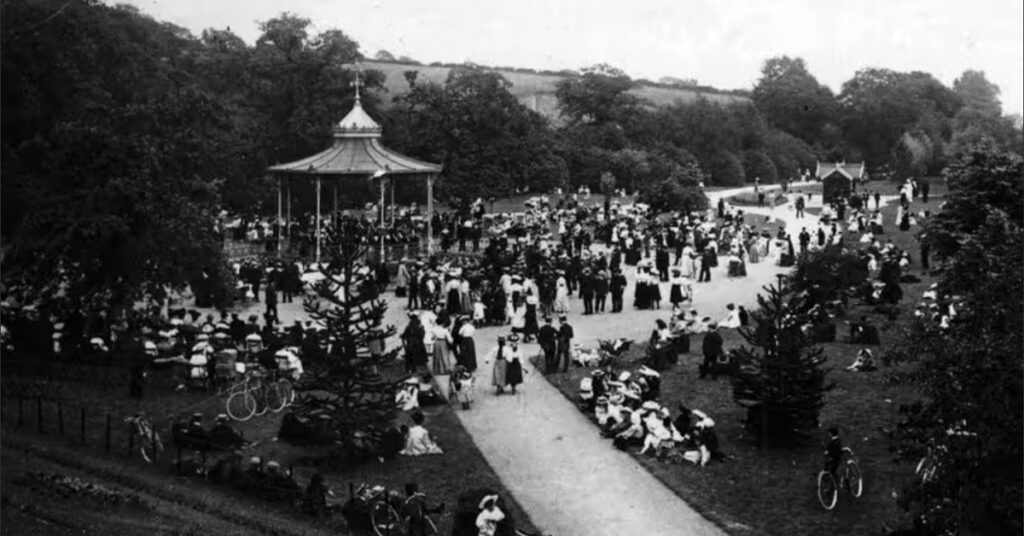
Billy left school at the earliest opportunity. At the age of 15, he began working for Cardiff Corporation as a gardener at Roath Park. He threw himself into the job, learning horticultural skills from the older and more experienced workers around him. He loved the work and would remain employed by the Corporation for many years.
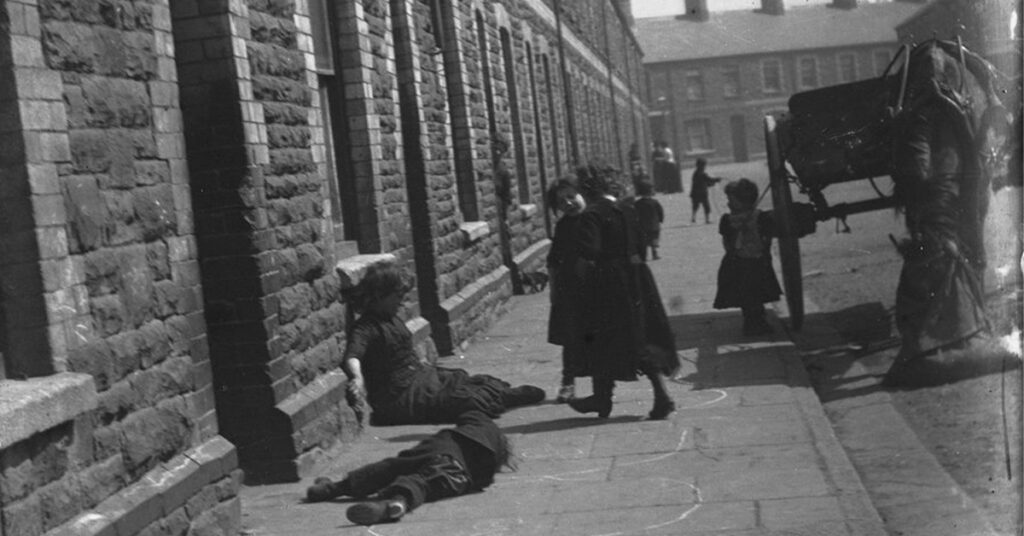
By 1921, the Prosser family had moved to Cairns Street in Cathays. The street had acquired the nickname “Flagon Alley” because of its reputation for heavy drinking, fighting and antisocial behaviour. Its reputation became so notorious that residents later petitioned to have its name changed. Billy continued living with his family until 1928. At the age of 23, he married Betty Richards, who was then working in domestic service.
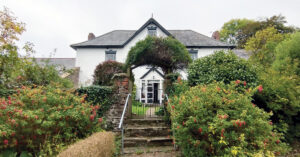
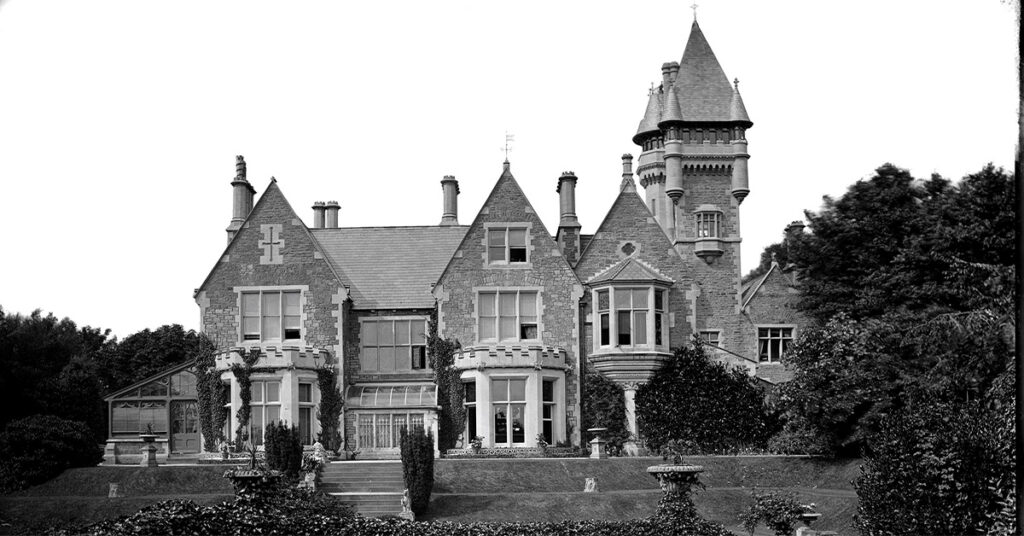
The newly married couple established a home together in the Llandaff area of Cardiff. Their lives would change dramatically during the following decade. Cardiff Corporation completed the purchase of the Insole Court estate in February 1932 and eventually took full possession after the last members of the Insole family moved out in 1938.
The council had primarily acquired the land to make way for Cardiff’s new orbital road system, which became Western Avenue. Although part of the estate’s grounds was lost, the mansion and its important ornamental gardens were preserved. In 1939, the ornamental grounds were opened to the public for the first time. Their complex planting and botanical features required experienced parks staff, and Billy’s years of horticultural work made him an ideal candidate.
He was appointed to a prestigious gardening position at Insole Court, where he and Betty were also provided with a home. They would live at the estate for approximately 11 years. It was an extraordinary period in the history of the house. During the Second World War, Insole Court became an Air Raid Precautions centre. Billy was there in 1940 when Home Secretary Herbert Morrison visited the ARP headquarters.
He and Betty also witnessed a fire in a storeroom in the main house in 1939. After the war, further changes followed. In 1946, rooms on the first and second floors were converted into flats for key council employees, bringing other workers and their families to live alongside them at Insole Court.
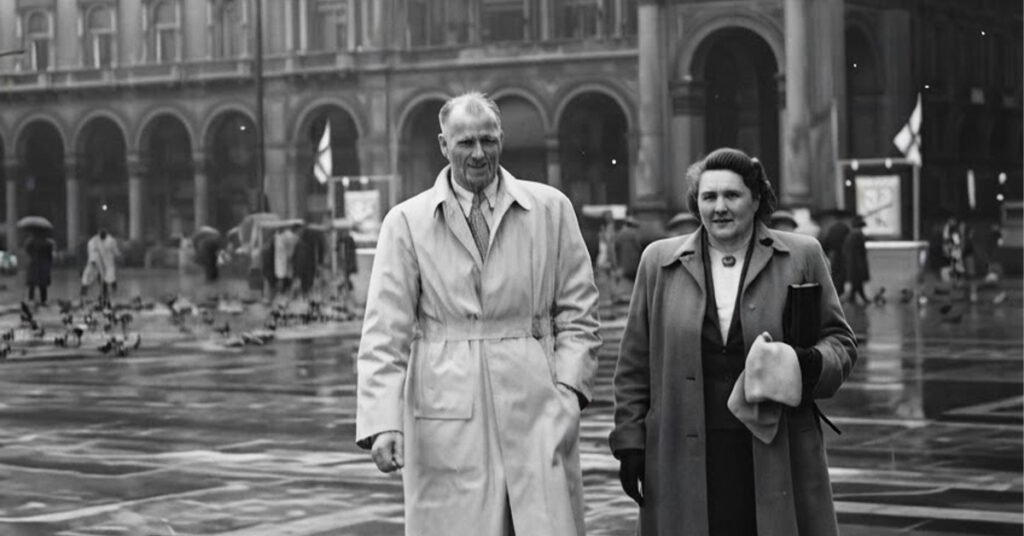
In 1948, Billy was offered an even more unusual opportunity. He was appointed Travelling Superintendent Gardener for the Imperial War Graves Commission, now known as the Commonwealth War Graves Commission. Billy worked from the Commission’s headquarters in Rome, from which its regional operations across Italy were coordinated. His position required him to travel extensively between British and Commonwealth war cemeteries while they were being landscaped.
These were not ordinary gardening projects. The cemeteries were being transformed into dignified places of remembrance, with carefully planned lawns, trees, borders and flowers creating the appearance of beautiful English gardens. Billy’s horticultural experience was now being used to commemorate those who had lost their lives during the Second World War.
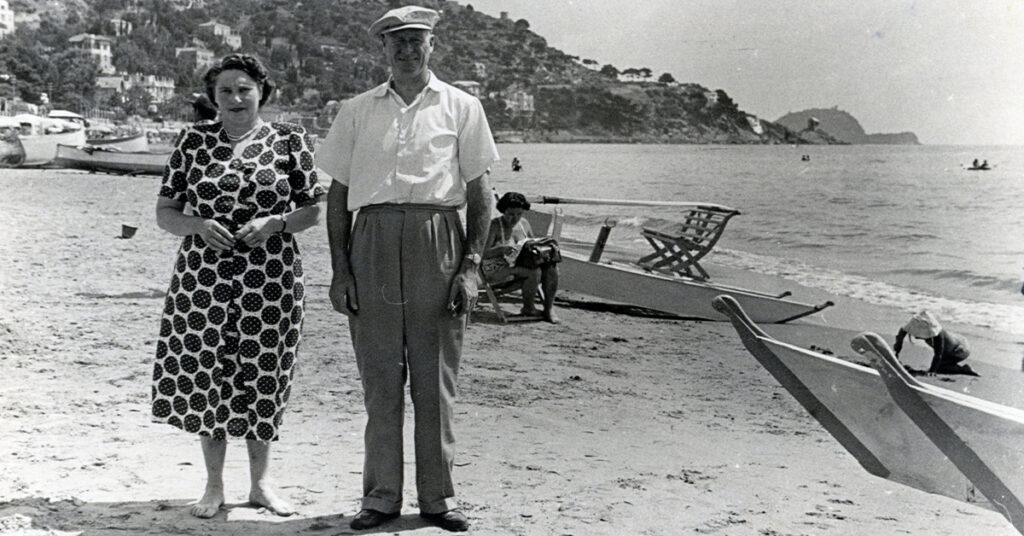
Accommodation was provided for Billy and Betty, and the couple spent around two years living in Italy. It was a remarkable experience for two people whose early lives had been rooted in Cardiff’s working-class districts. After completing his assignment in Italy, Billy briefly worked as a travelling gardener in the northern region of the United Kingdom for the Commission.
After approximately 35 years in horticulture, Billy was ready for a change. He returned to Cardiff and established two businesses of his own. He purchased the Capital Kiosk on Queen Street, where Betty worked, and also opened a driving school. Billy continued working as a driving instructor for many years.
This combination of businesses gave him greater freedom to enjoy his real passion: golf. He played almost every day and was a member of Cardiff Golf Club. Billy and Betty eventually purchased a home on Groveland Road in Birchgrove. They loved the house and remained there for the rest of their long lives. Billy died in 1993, aged 87, and Betty died in 2004, aged 98. The few details remembered by our client – a newsagent’s kiosk, a driving school and a Cardiff address – were only the final chapters of a much richer story.
Research revealed Billy’s childhood experience of poverty, his first gardening job at Roath Park, his years living and working at Insole Court, his connection to Cardiff’s wartime civil defence, and his prestigious role caring for Commonwealth war cemeteries in Italy. It is a wonderful example of what individual family history research can achieve. Even when only a handful of facts are known at the outset, the right records can help reconstruct an entire life and restore experiences that might otherwise have been forgotten.
With so many fascinating experiences behind him, Billy Prosser was surely never short of a tale to tell.